Rancho Santa Fe is often described as timeless. That quality is not accidental. It is the result of a clear architectural vision established from the very beginning and consistently protected over time.
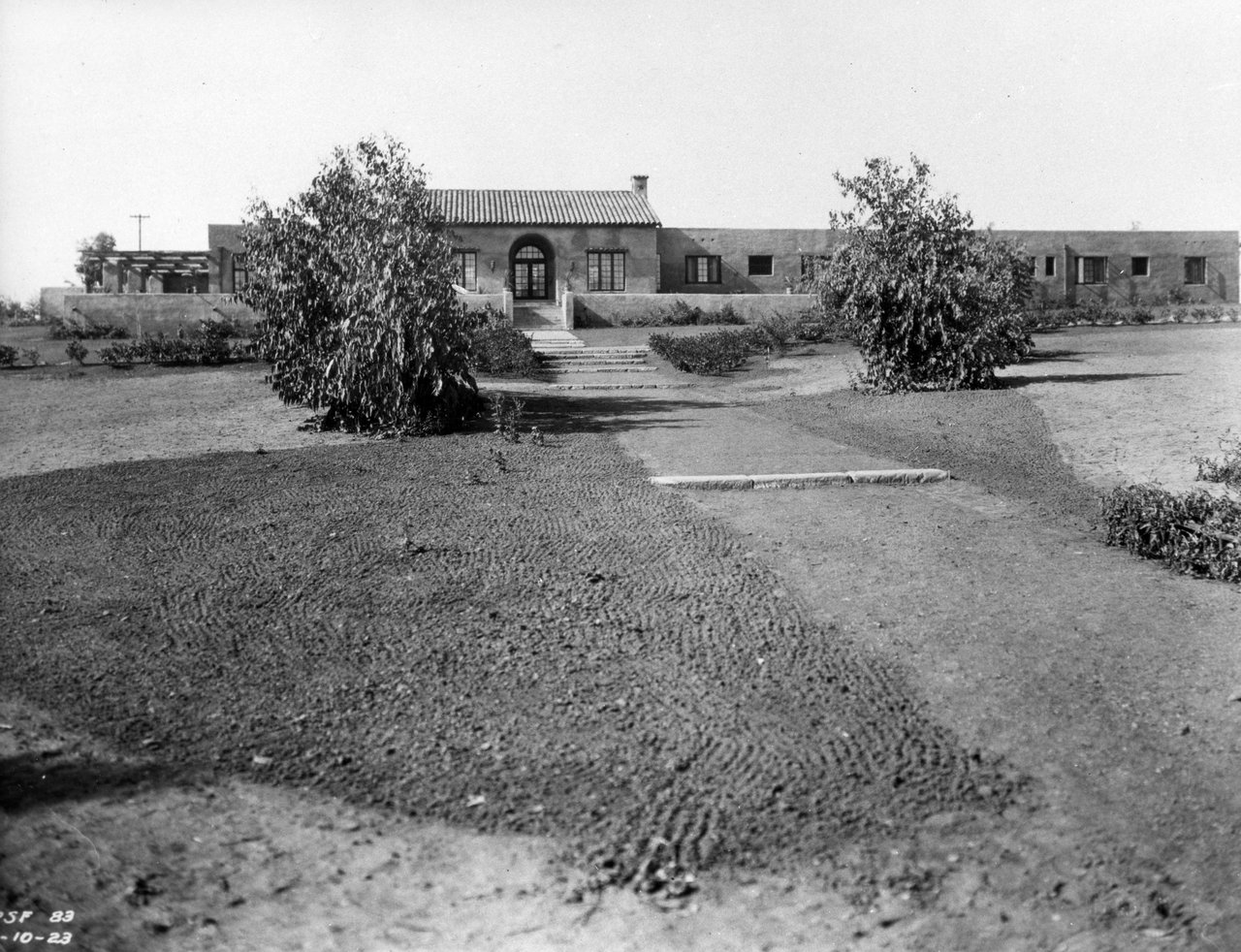
In the early 1920s, architect Lilian Rice was appointed to guide the development of Rancho Santa Fe as a cohesive, master planned community. At a time when few women held positions of authority in architecture, she was given responsibility not just for individual buildings, but for the overall design language of the community.
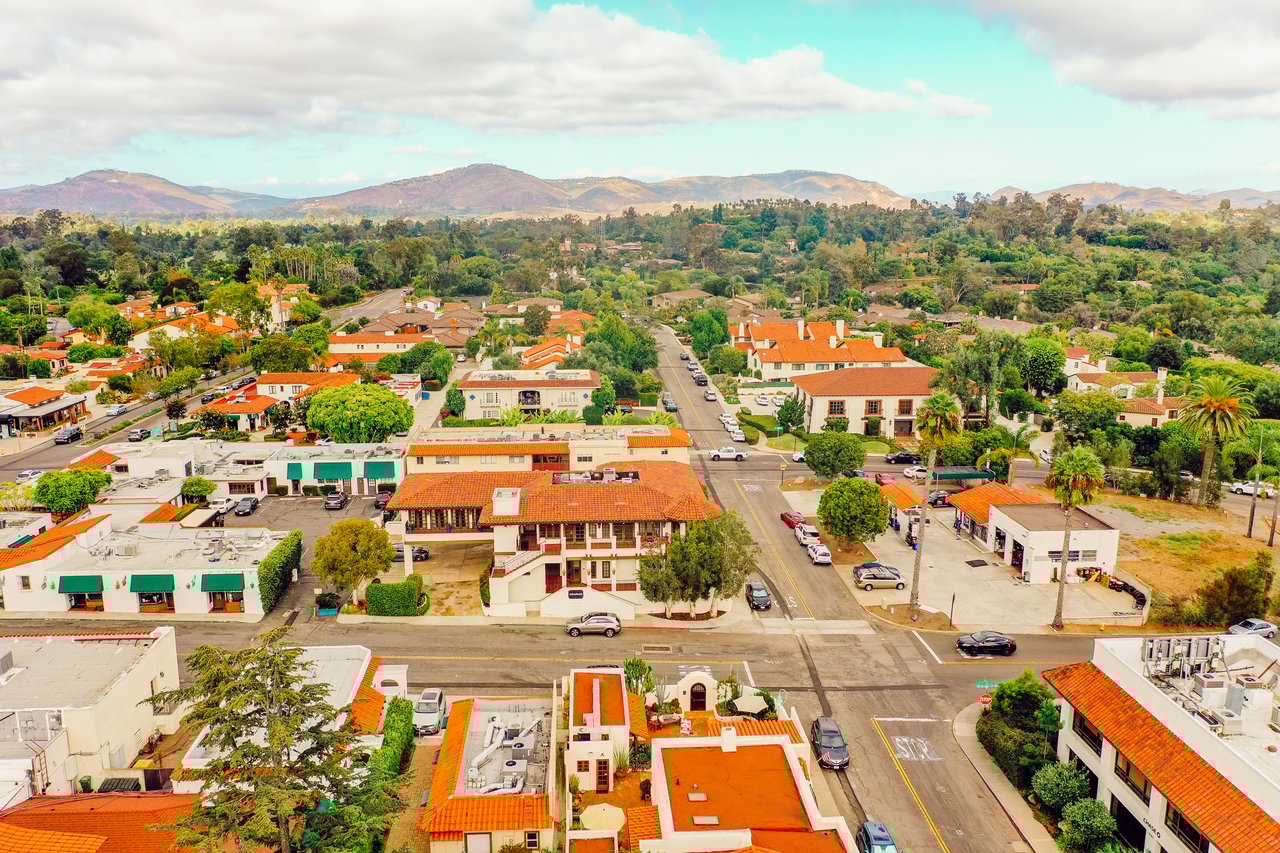
Her approach was disciplined and intentional. Rather than prioritizing ornament or scale, Rice focused on proportion, materials, and how structures would relate to the surrounding landscape. Drawing from Spanish and Spanish Colonial influences, she introduced white stucco walls, red tile roofs, shaded arcades, and interior courtyards. These elements were not chosen for style alone, but for how they responded to climate, light, and the natural terrain.
At the center of this vision is The Inn at Rancho Santa Fe, originally known as La Morada, meaning the dwelling. It was designed as a gathering place for the emerging community and served as a model for the architectural principles that would define Rancho Santa Fe. The building emphasizes flow over formality, guiding movement through arches, walkways, and courtyards in a way that feels both intuitive and restrained.
What distinguishes Rancho Santa Fe from many other communities is that its original design intent was formalized and preserved. The land, originally assembled by the Santa Fe Railway, was developed with strict architectural standards that remain in place today. These guidelines addressed not only building style, but also site placement, scale, and how each home integrates with its surroundings.
Rice herself was deeply involved in maintaining this consistency. She reviewed residential designs and oversaw architectural decisions to ensure that no single structure disrupted the overall harmony of the community. By the time of her death in 1938, she had designed or influenced more than two hundred buildings within Rancho Santa Fe.
These early decisions continue to shape the experience of living in Rancho Santa Fe today. Curving roads follow the natural topography rather than forcing a grid. Mature trees and open space are preserved. Homes are positioned to create privacy while still contributing to a unified aesthetic.
From a real estate perspective, this level of consistency has long term implications. Architectural standards limit overdevelopment, prevent abrupt changes in style, and protect the visual identity of the community. As a result, properties tend to retain their appeal over time, not because they follow current trends, but because they were designed with longevity in mind.
Rancho Santa Fe is not simply a collection of homes. It is a community shaped by a singular vision, one that continues to influence how the area looks, feels, and functions nearly a century later.